

Pneumonia isn’t just a human issue; our furry friends can struggle with it, too. Your dog may start coughing or have trouble breathing, which might be signs of pneumonia. The causes vary, but knowing them can help us keep our pets healthy.
In this article, you’ll find information on what pneumonia looks like in dogs, the potential causes, and how to care for a dog suffering from it. Dog owners need to be informed about this potentially serious illness. Noticing symptoms early on can make a world of difference in treatment and recovery.
What Is Pneumonia?
Pneumonia is all about irritation and inflammation in the lungs. It primarily hits the deep parts of a dog’s lungs, messing with the small airways and air sacs. This inflammation brings about a build-up of fluid, also known as pulmonary edema, which hinders the regular exchange of oxygen and carbon dioxide.
In a dog with healthy lungs, when they breathe in, air fills the sacs, allowing for oxygen to seep into their bloodstream. But with pneumonia, that doesn’t happen. Instead, fluid takes up space meant for air. This disruption in breathing can lead to serious oxygen shortages, leaving your pet gasping for air. Breathing becomes hard, and it’s a race against time to get the right treatment.
Recognizing the Signs
Dogs with pneumonia may show various symptoms. Some might have a dry or wet cough, depending on the situation. Others could seem a bit down, refusing food or just looking less lively than usual.
Watch out for rapid breathing or a wheezing sound. Fever and nasal discharge can also be signs of trouble, as well as blue gums, which indicate a lack of oxygen. Exercise becomes challenging, and your dog may tire easily.
If complications arise, you might see inflammation around the lungs, known as pleurisy. Stay vigilant and consult a vet if any of these symptoms appear.
Understanding Vital Signs
Knowing a dog’s vital signs can be a lifesaver. Resting heart rate, respiratory rate, and temperature are key indicators.
An average dog should have a heart rate between 80–120 beats per minute and a respiratory rate of 15–30 breaths per minute. Keep an eye on these numbers.
A dog’s temperature should sit between 99.5 to 102.5 degrees Fahrenheit, and healthy gums should be a bubble gum pink.
Regularly checking these vital stats can catch issues before they escalate, offering a chance for timely intervention.
What Causes Pneumonia?
Several factors can lead a dog to develop pneumonia. Viruses, bacteria, fungi, and parasites are common culprits.
A viral infection could mean canine influenza or distemper virus, spreading easily in places like dog parks. Viruses damage lung tissues, opening them to bacterial attacks.
Bacterial pneumonia can develop when germs like Bordetella or E. coli enter the lungs. Puppies and older dogs, or any with weaker immune systems, are particularly vulnerable.
Parasites like lungworms can trigger pneumonia by invading the respiratory tract, while fungi and inhaling irritants are other causes to consider. Keeping a clean and safe environment helps prevent these issues.
Taking Care
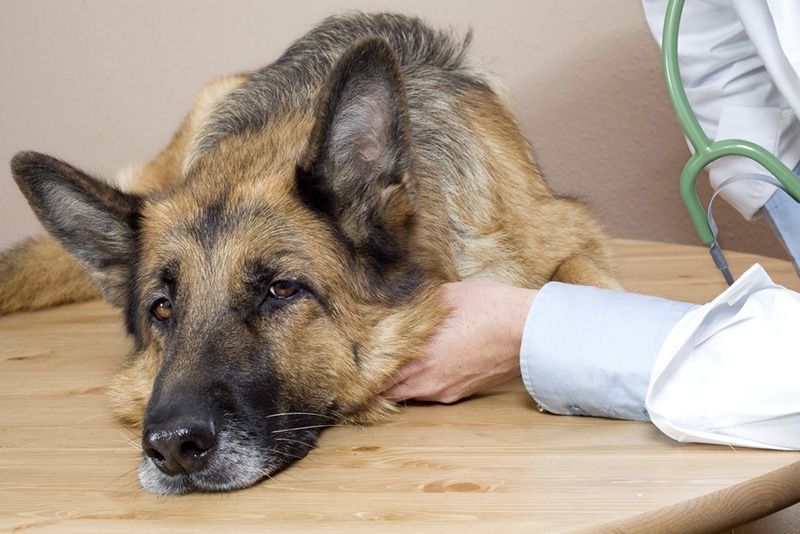
If your dog shows any signs of pneumonia, a vet visit is a must. The vet needs complete history and symptoms to plan a treatment approach. Physical exams are standard.
Listening to the dog’s lungs might reveal unusual sounds like crackles or wheezes, prompting X-rays to investigate further. Labs and cultures assist in diagnosis, ensuring effective treatment paths.
Oxygen therapy is crucial for dogs lacking blood oxygen. Through nasal catheters or oxygen cages, pets can get the air they need.
Treatment Options
Treatment includes antimicrobials and supportive care. Doctors tailor medicines to fight specific organisms found in lab results.
Hydration is essential. Intravenous fluids keep dogs and their respiratory secretions hydrated, promoting better recovery. Suppressing coughs isn’t recommended, as coughing helps clear lungs.
Support includes nebulization, delivering a mist to moisten airways, and coupage, which loosens mucus through chest tapping.
Close monitoring ensures the chosen treatments work and allows adjustments as needed.
Vaccination and Prevention
Preventing pneumonia means staying proactive. Vaccinations can guard against viral infections, keeping your dog safe at parks or kennels.
Regular vet check-ups ensure your pet stays healthy and any warning signs are addressed. Maintain a stress-free and clean environment for your dog.
Caution during feeding and administering medications can prevent aspiration pneumonia, especially for high-risk breeds.
Vaccines and good habits combine to minimize risks of respiratory issues like pneumonia.
Recognizing Recovery Signs
Spotting improvement requires awareness. Changes often happen gradually, but you’ll notice increased energy and appetite as breathing normalizes.
Regular check-ups and chest X-rays ensure a thorough recovery without lingering issues. Staying vigilant post-recovery is important.
Ongoing care helps dogs bounce back from pneumonia, avoiding future health disturbances. A stable return to routine is a promising sign.
Questions and Misconceptions
People often wonder about over-the-counter medicines for coughing dogs. It’s a no-go. Talk to a vet instead of self-medicating.
Pneumonia is serious but manageable with early detection and professional care. Misunderstandings can delay proper treatment, emphasizing the need for vet advice.
Stay informed and cautious about your dog’s health, preventing pneumonia with proactive care and attention.
Ensuring a dog’s health means watching for symptoms and keeping up with vet visits. Preventive care matters. Don’t forget to be alert. It’s the key to canine wellness. With knowledge and care, you can help your furry friend thrive.