


Want to know what makes Bull Terriers incredibly unique? Here are nine surprising facts about these charismatic dogs.
- Bull Terriers were initially bred in 19th century England for dog fighting, evolving over time into beloved companions and show dogs.
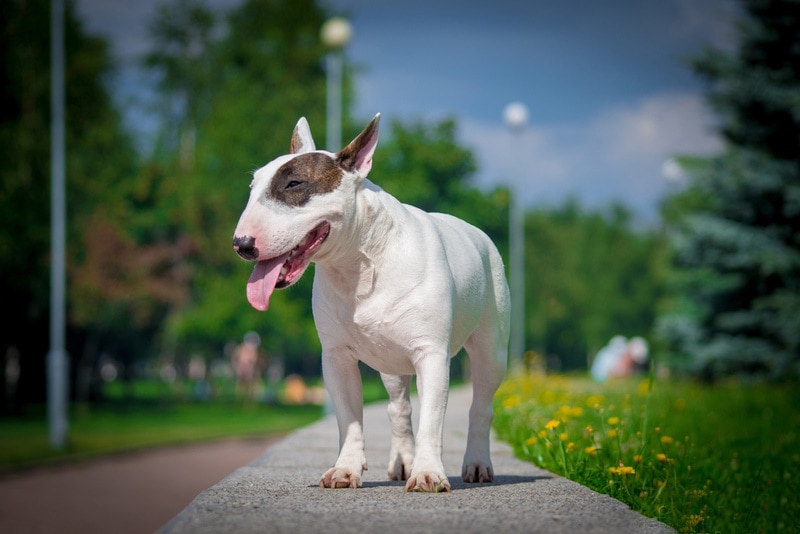
- Their distinct egg-shaped heads and triangular eyes make them unmistakable, along with their strong, muscular build.
- Known for their high energy, these dogs thrive on physical activity and human companionship, making them loyal family members.
- Despite their rough history, Bull Terriers are often misjudged but can be affectionate, well-behaved pets with proper training.
Originally bred in the 19th century England for dog fighting, Bull Terriers are a striking result of crossing bulldogs with various terrier breeds. James Hinks, their creator, wanted a courageous dog with a unique look, leading to their well-known egg-shaped head and mischievous triangular eyes. Today, these dogs, available in standard and miniature varieties, are cherished for their bold spirits and playful nature.
A stand-out feature of Bull Terriers is their distinct head shape. With broad, muscular heads and strong jaws, their triangular, ‘piggy eyes’ give them a distinctly alert look. Their bodies are athletic and muscular, with a balanced physique that includes a broad chest and a short, dense coat that comes in various colors.
These dogs are not just about looks; they’re all about energy and playfulness. Despite their relatively small size, they pack a punch of strength and love being physically active. Their loyalty shines through their desire for human interaction, and with the right socialization and training, they fit wonderfully into family life, even with kids.
Bull Terriers have left a paw print in pop culture with icons like Spuds MacKenzie, the 80s Bud Light mascot. Their delightful portrayal in stories like ‘The Incredible Journey’ further cements their place in media as loyal and courageous sidekicks.
While they’re adorable, prospective owners should be aware of hereditary deafness, particularly in white Bull Terriers. This genetic condition affects many in the breed and requires careful consideration in breeding practices. Early detection and management can help maintain quality of life.
Despite misconceptions, these dogs are not naturally aggressive. Their unfortunate history in dog fighting shadows their true nature. Raised with love and proper guidance, Bull Terriers are friendly, trainable, and affectionate.
A Bull Terrier’s diet is influenced by various factors like age and activity level, demanding around 900–1,200 calories daily due to their energy. Monitoring their food intake is key to maintaining their health.
Surprisingly, these muscular dogs are excellent swimmers. Their strong legs and broad chest make them natural water lovers, traceable to ancestors involved in fishing tasks.
Known for their strong bite force inherited from Pit Bull lineage, training and socialization are critical to managing this powerful trait. While they’ve been bred for strength, proper upbringing ensures good behavior.
From their unique history to their vibrant energy, Bull Terriers are a breed full of surprises. They offer fun and loyalty to families ready to embrace them.