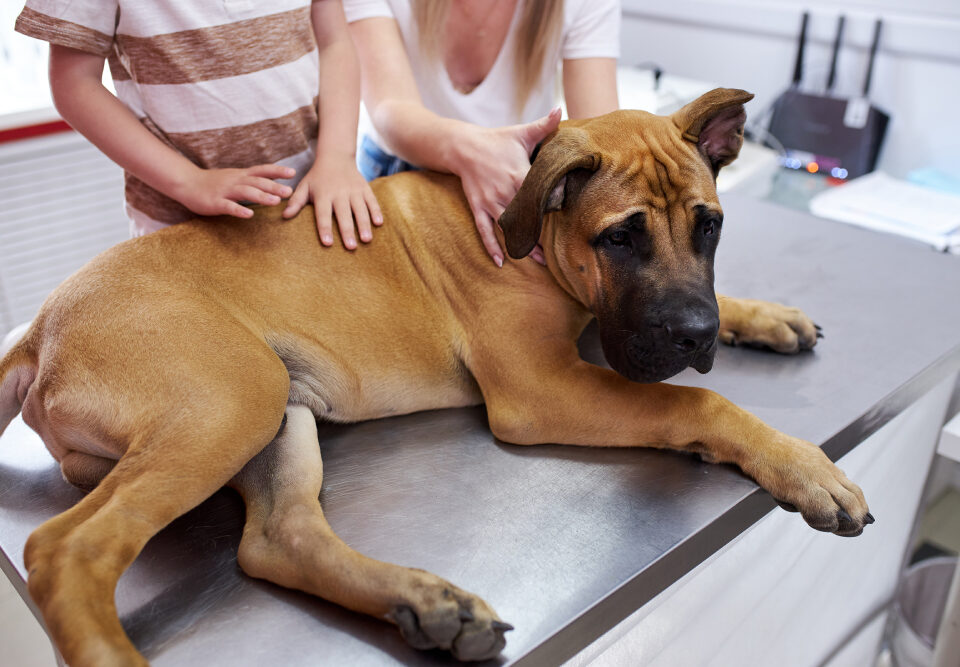




Rimadyl, a popular anti-inflammatory for dogs, can be risky in high doses.
- This medication treats pain from surgery or injury, but overdosing can be serious.
- Rimadyl affects enzymes in the body, sometimes leading to harmful side effects.
- Signs of overdose include vomiting, diarrhea, and in severe cases, even death.
- Immediate veterinary care is crucial if overdose is suspected.
For those with furry friends, Rimadyl might sound familiar. It’s a well-known non-steroidal anti-inflammatory used to ease surgical pain and tackle issues like osteoarthritis in dogs. However, not everything about Rimadyl is sunshine and rainbows. At excessive amounts, it can lead to severe, potentially fatal consequences. Knowing this, pet owners have to be informed about the risks associated with an overdose.
Rimadyl work its magic by targeting the COX-2 enzyme, which plays a part in inflammation. The problem? It can also dampen the beneficial COX-1 enzyme that plays a protective role in the stomach and kidneys. Striking the right balance between reducing inflammation and maintaining those protective functions is crucial. The problem kicks in if Rimadyl doses exceed safe levels, causing problems like stomach ulcers and even kidney or liver damage.
Picture this: your pup finds an irresistible treat in the form of Rimadyl chewables, gobbles them up, and suddenly faces a health crisis. This scenario is more common than you’d think, due to the appealing flavor of the tablets. Callable versions are less enticing, but injectable forms can also pose dangers when administrated with wrong dosages.
So, what should pet owners keep an eye out for? Spotting a Rimadyl overdose requires vigilance. Affected dogs might display vomiting, diarrhea, or blood in their feces, to name a few signs. In some cases, your dog may just seem off, but that’s enough reason to reach out to a vet immediately. The dangers of kidney or liver disease from this are not something to brush off.
When suspecting an overdose, speed is of the essence. A call to the vet is not something to delay. They may require a hospital visit for treatments like inducing vomiting and providing activated charcoal to offset the overdose. The importance of professional advice cannot be overstated here. For long-term users, stopping the drug with professional guidance could prevent further complications.
In short, while Rimadyl is effective, overdosing can have serious consequences, thus making veterinary guidance essential.