

Dog accidents happen, and when they do, the smell can be a real hassle. But fear not! With a few simple ingredients, you can create your own enzyme cleaner right at home. These DIY solutions are not only cost-effective but also quite effective at neutralizing odors and stains from dog urine.
Let’s explore some easy and practical homemade enzyme cleaner recipes that you can whip up in no time. From white vinegar mixes to hydrogen peroxide wonders, these methods will help you tackle those unexpected doggy accidents. Plus, we’ll touch on why dogs might be peeing indoors and offer tips on how to manage it.
Why Effective Cleaning Matters
Dogs have an incredible sense of smell, far superior to ours. Even after we clean, they might still catch lingering scents, leading to repeat accidents. Therefore, a powerful enzyme cleaner becomes essential. Store-bought options are available, but they might hit your wallet hard. Homemade cleaners, however, can be both gentle on your wallet and effective in practice.
White Vinegar & Water Solution
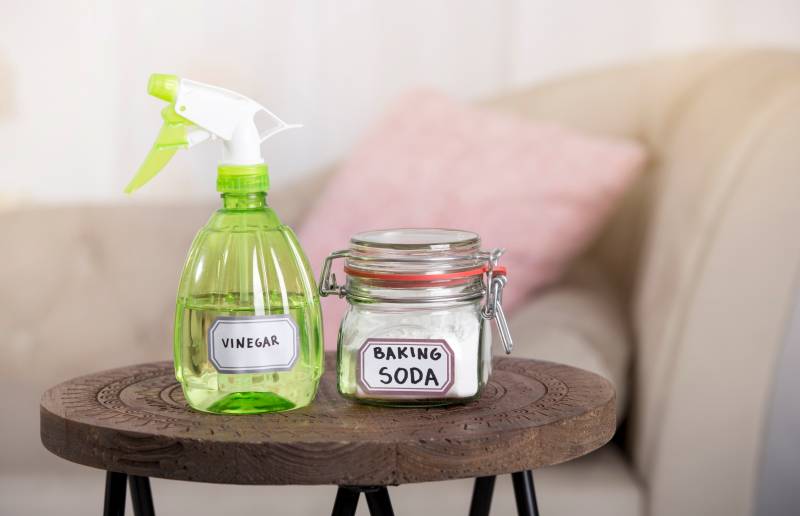
This simplest of solutions uses just two ingredients: white vinegar and water. Vinegar is naturally acidic, making it excellent for cutting through grime and odor. Simply mix equal parts in a spray bottle, and you’ve got an effective cleaner. Be cautious with hardwood floors; vinegar can damage the finish. A quick spot test can save you a lot of heartache later.
For peace of mind, dilute the vinegar further if necessary. Not only does this solution clean, but it also refreshes the air without leaving harsh chemical smells. It’s an easy first step towards a cleaner, fresher home.
Vinegar & Essential Oils Mix
Adding essential oils like lavender or rosemary to the basic vinegar and water solution can give it an extra fresh kick. These oils bring in invigorating scents but must be used with caution. Some oils can be harmful to pets if ingested.
If you decide to go this route, keep your furry friends away until the area is dry. Essential oils are powerful, and a few drops are all that’s needed to enhance your cleaning mixture.
Vinegar & Baking Soda Solution
Baking soda, known for its odor-absorbing properties, pairs well with vinegar for tougher stains. This combination can tackle pet accidents on carpets, absorbing smells and stains alike. Blot any excess liquid first, then spray your vinegar mixture before sprinkling baking soda.
Once everything is dry, simply vacuum up the remaining baking soda. It’s a simple, chemical-free approach to a common problem.
Whether on carpet or mattress, this method provides a dual-action cleaning with minimal effort. It echoes the simplicity of home remedies with the effectiveness of a professional clean.
Hydrogen Peroxide & Dish Soap Combo
For those super stubborn stains, hydrogen peroxide is a strong contender. Mix four tablespoons of 3% peroxide with a bit of dish soap and water in a spray bottle.
Remember, peroxide is powerful; always do a spot test. Also, keep areas with peroxide applications pet-free until they’re dry, ensuring both safety and success in your cleaning mission.
Hydrogen peroxide doesn’t just clean—it disinfects. It’s a versatile addition to your cleaning toolkit, tackling tough stains with ease.
Preventing Indoor Accidents
Understanding why your dog might be peeing inside is crucial in preventing future incidents. Stress, anxiety, or lack of training are common culprits. Puppies and newly adopted dogs may not yet know the ropes.
Taking your pet out frequently and rewarding them for good behavior goes a long way. Accidents happen, but a calm approach can help rectify habits over time.
Addressing Anxiety in Dogs
If anxiety is a factor, identify and mitigate triggers. Dogs might pee out of stress when left alone or startled by loud noises. Gradual desensitization can help, or consider seeking professional help.
Reducing anxiety can improve your pet’s quality of life and decrease the likelihood of stress-induced accidents.
Medical Reasons for Indoor Accidents
Sometimes, health issues are to blame. Urinary tract infections can lead to unexpected urination indoors. Signs include increased drinking, frequent urination, or pain.
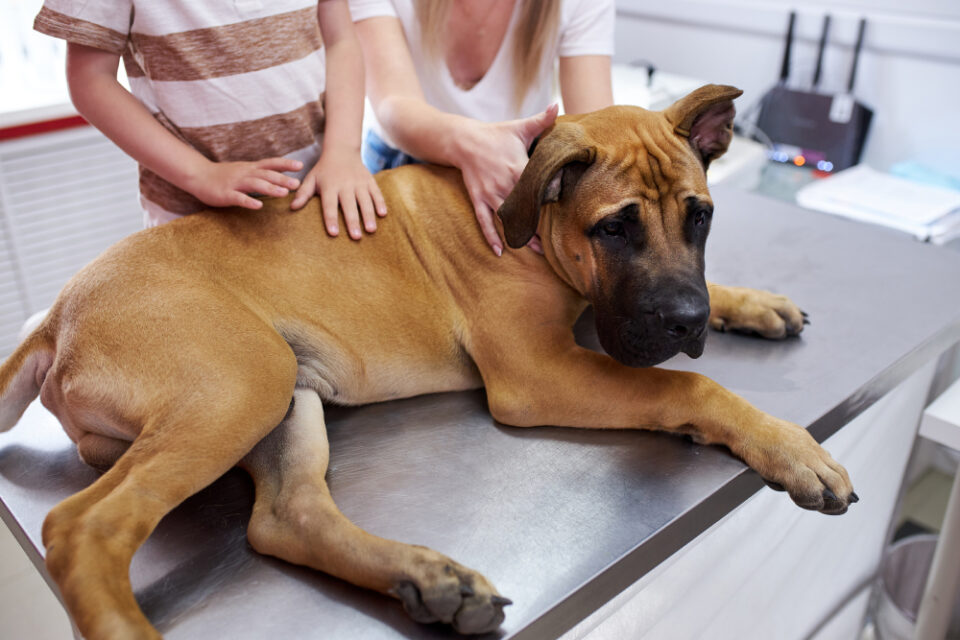
Contact a vet if you notice these symptoms. Timely treatment can prevent further issues and ensure your dog remains healthy.
Health should always be a top priority, and understanding these issues can keep both you and your pet happy and accident-free.
Summing Up the Benefits of DIY Cleaners
Creating a homemade enzyme cleaner can be a cost-effective and efficient way to handle pet messes. Plus, understanding the root cause of indoor peeing can help prevent future incidents.
It’s important to keep an eye on your pet’s health and behavior, adjusting routines as needed to suit their needs. With these cleaners and tips, you’re well-equipped to handle whatever comes your way.
With simple ingredients and a bit of time, you can make your own enzyme cleaner to tackle dog urine stains and smells. Understanding why your dog might be peeing indoors and addressing those issues makes a world of difference. You got this!