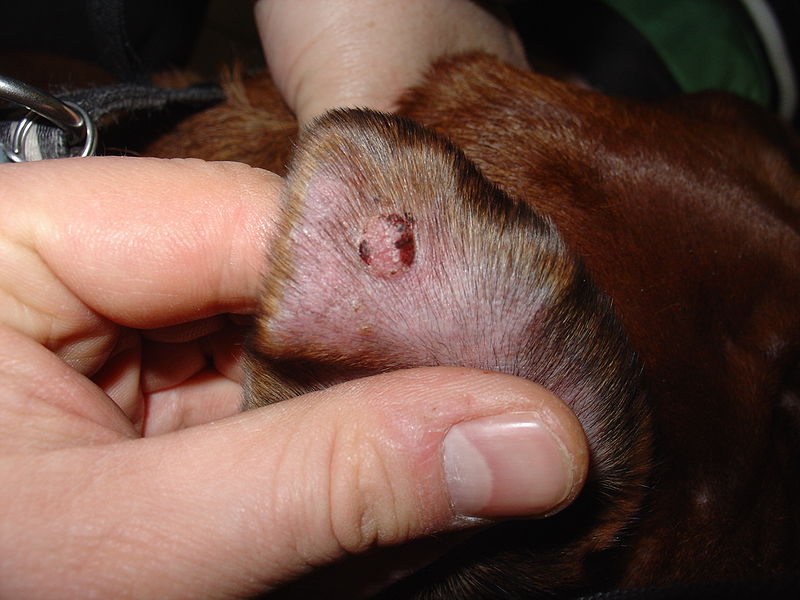



If you’ve ever noticed a mysterious bump on your dog’s skin, you’re not alone. Dog parents often encounter various lumps on their beloved pets, some harmless and some that spark concern. One commonly spotted growth is a histiocytoma. But what exactly is it, and should you be worried? Let’s dive into the world of canine skin growths and unravel the mystery of histiocytomas.
Histiocytomas are benign skin growths found frequently on dogs, especially those under a few years old. The word ‘benign’ is a relief, indicating that these masses won’t spread aggressively to other body parts or tissues. Instead, they stick around on the skin’s surface, showing up as pink, hairless, button-like bumps. They don’t typically hurt to touch, don’t smell, and your pup might lick or chew them just out of curiosity rather than irritation.
These growths originate from Langerhans cells in the skin’s outer layer. These cells are like gatekeepers, capturing foreign invaders and presenting them to the body’s defense forces—the white blood cells. Sometimes, these cells cluster together, forming a little tumor called a histiocytoma. The good news? Over time, the dog’s immune system recognizes these clusters as foreign and mounts an attack to destroy them.
Spotting a histiocytoma requires attention. When you notice a new bump, jot down its location and take a picture. Yes, your phone’s camera isn’t just for selfies. Mark it with something visible, like a marker. It’s more than a craft project; it’s crucial for monitoring. Vets will inspect the growth, ensuring it’s not an aggressive impostor like a mast cell tumor.
When at the vet, your furry friend’s bump might undergo a Fine Needle Aspirate (FNA). This means pulling some cells with a thin needle and sending them for analysis. If it’s benign, the vet might recommend just keeping an eye on it. However, if its location is tricky, or if it’s sizable, surgical removal could be on the table. The extracted tissue heads to the lab to confirm it’s nothing malicious.
Is a histiocytoma cancerous? Technically, it’s a tumor due to abnormal cell growth, but it doesn’t behave like cancer. Cancerous tumors spread far and wide, while histiocytomas just stick around on the skin, making them benign.
Worried about removing your dog’s histiocytoma? Most times, letting nature run its course is enough. Once their body tackles the bump, it eventually fades away. Yet, in cases where it’s cumbersome or irritable to your dog, a vet might opt for a quick nip and tuck. Regardless, having a vet check its nature ensures peace of mind.
Histiocytomas are usually harmless guests that visit young dogs. They’re distinguished by their non-painful and hairless nature. Though some bumps might need surgical intervention, many just vanish on their own as the immune system does its thing. If a suspicious bump appears, a vet visit can ensure it’s merely a temporary hitchhiker on your dog’s skin journey.