


Ever wondered if Fido could end up with the same bellyache you dread from undercooked chicken? Yes, dogs can indeed get salmonella. It’s more than just a human problem, and it can pose a serious health risk for our four-legged friends.
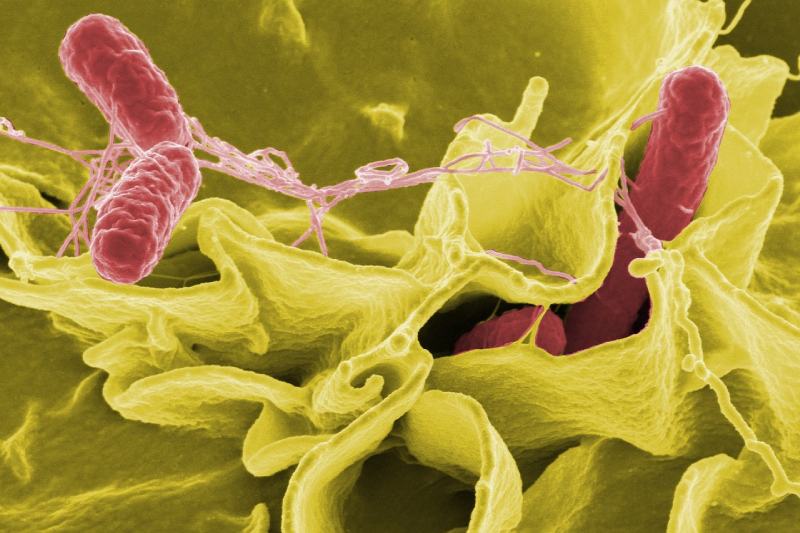
Salmonella in dogs, known as salmonellosis, is an infection caused by the Salmonella bacteria. While we might shrug it off as food poisoning, for dogs, it’s a different ball game. The bacteria can lurk in the digestive system of healthy pets without causing any visible symptoms. This is especially common in animals on a raw diet, who might appear fine but can shed the bacteria in their feces. For dog owners, this means a potential health risk not just for their pets but for themselves, especially if they’re immunocompromised.
So, how do dogs pick up salmonella? Contamination can happen through food, water, or even surfaces. Dogs that enjoy raw or undercooked meals are particularly at risk. Puppies and dogs with weakened immune systems are more vulnerable, showing more severe signs of the disease. The symptoms primarily mess with the digestive system – think diarrhea, vomiting, and the occasional fever. Other signs to watch for include loss of appetite, dehydration, and tiredness. Notice any of these? It’s vet time.
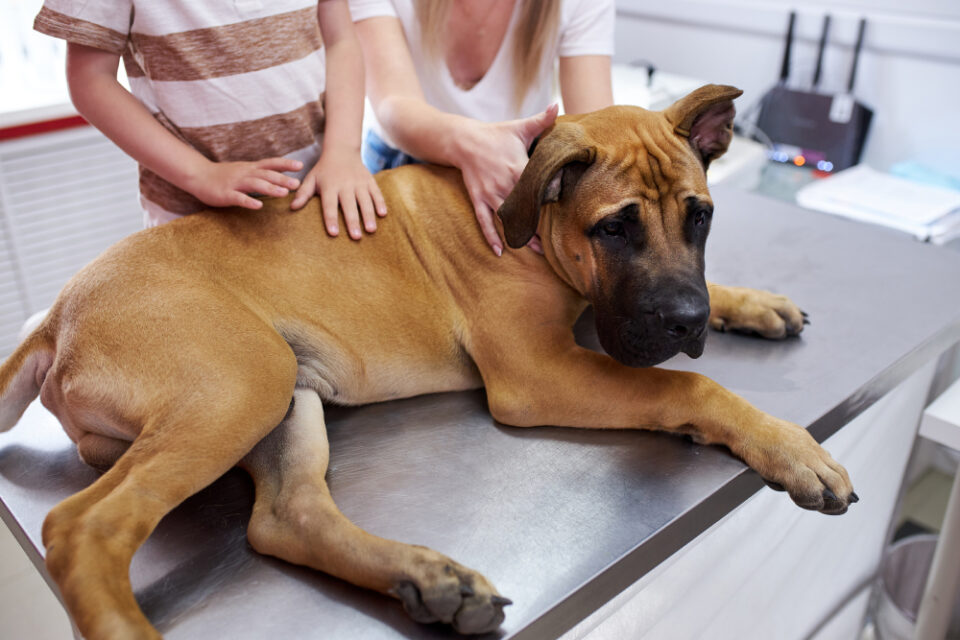
Diagnosing this sneaky infection can be tricky. Symptoms can mimic other illnesses, and your canine friend may need a physical exam, blood tests, or stool samples to confirm it. If your dog is diagnosed, it’s critical for you and anyone who’s had recent close contact to see a doctor too, especially if you’re pregnant or have a weakened immune system.
Treating salmonella in dogs usually involves a mix of antibiotics and supportive care like IV fluids to tackle dehydration. Completing the prescribed course of antibiotics is crucial to ensure the bacteria are truly gone. Some cases might need hospital care, while others can recover at home – but always follow your vet’s advice for the best outcome.
Prevention is the name of the game here. Avoid feeding raw diets unless from a reputable source, and stay updated on any food recalls. Practice good hygiene in food prep and clean your dog’s dishes regularly. Keep them away from wildlife to dodge additional bacteria and parasites, and ensure regular vet check-ups to catch potential issues early on.
Dogs, just like humans, can fall victim to salmonella, making it vital to be vigilant. By ensuring a safe diet and maintaining good hygiene practices, pet owners can help protect their canine companions from this potentially severe infection. Always consult your vet when in doubt, because a healthy pup is a happy pup.