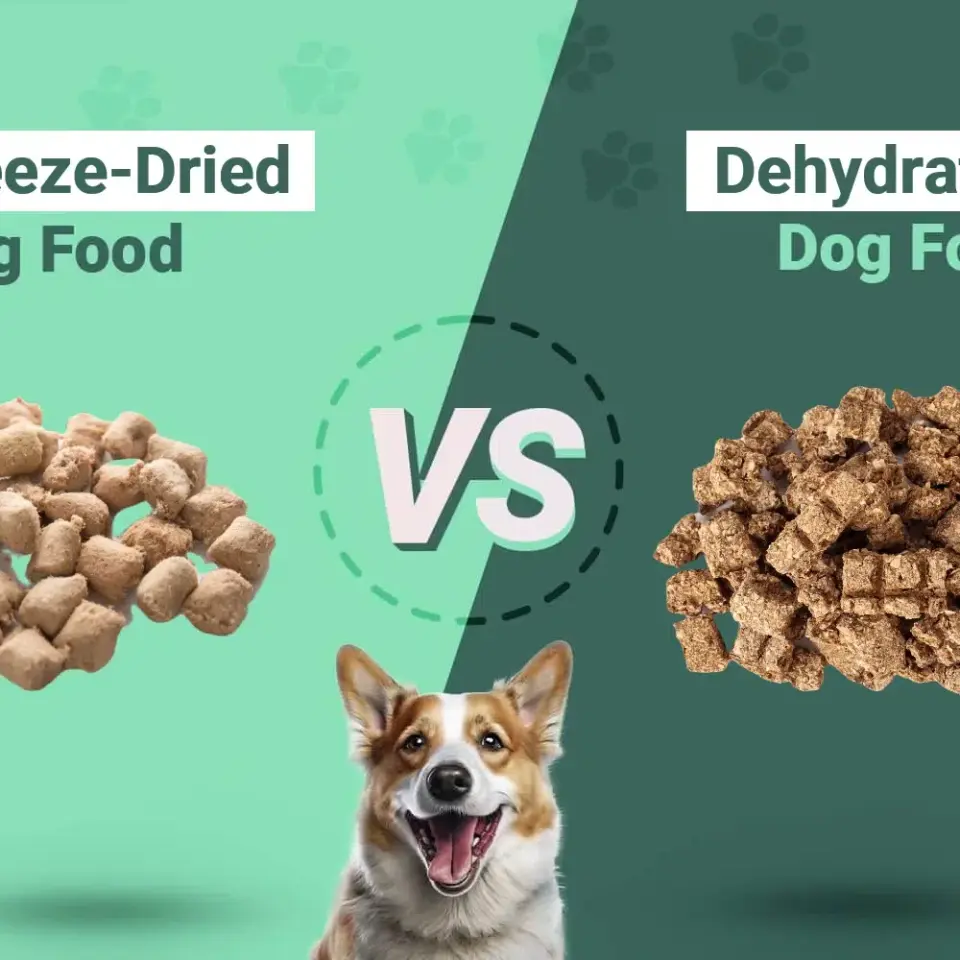


Choosing the right dog food is crucial for your pet’s health. Freeze-dried and dehydrated dog foods are popular options—how do they really stack up?
- Freeze-dried dog food maintains nutritional quality through low-temperature dehydration.
- Dehydrated dog food involves water removal using heat, but this might affect some nutrients.
- Freeze-dried food rises above dehydrated options in taste and nutritional value.
- Dehydrated foods offer a budget-friendly alternative without sacrificing too much quality.
When it comes to feeding your furry friend, many pet owners are turning to freeze-dried or dehydrated dog food. At first glance, these options might look similar, but there’s more than meets the eye. Freeze-dried dog food is crafted by removing water through low-temperature dehydration. This method keeps the nutrients intact, providing crunchy bits that remain fresh because bacteria and mold need moisture to grow. It’s often raw, appealing to those favoring a raw diet minus the mess. Plus, the freeze-drying process kills some existing bacteria, making it a safer choice than typical raw food. Freeze-dried options have a long shelf life and are convenient, though they can be pricey.
On the flip side, dehydrated dog food also involves moisture removal, but through evaporation and heat. This method uses air circulation and elevates the temperature just enough to dehydrate without fully cooking the food. Unfortunately, the prolonged heat exposure may damage certain nutrients. Despite this, it does kill a lot of the bacteria, though not all. Dehydrated foods are less safe than thoroughly cooked ones but still safer than raw options. They last long and retain much of their flavor, but much like freeze-dried food, they’re also on the expensive side.
A significant difference between the two lies in moisture content. Freeze-dried foods hold about 1% moisture versus dehydrated foods, with around 10% of moisture remaining. This affects how these foods rehydrate. Freeze-dried foods generally rehydrate in about three minutes, while dehydrated foods can take a lot longer—up to an hour, depending on the chunk size.
Texture and taste are other areas where freeze-dried foods shine. The gentle freeze-drying process means these foods retain their original texture and flavor. Dehydrated foods, having undergone heat, change in taste and texture significantly. Nutritional value mirrors this, as freeze-dried dog food preserves all the original nutrients without the impact of heat. Meanwhile, dehydration can alter some nutrients.
Cost is where dehydrated dog food gains an edge. The less complex process makes them more affordable and accessible to pet owners. Freeze-dried foods, despite their perks, come with a heftier price tag due to the lengthy and involved process.
In the end, freeze-dried dog food takes the crown for nutritional integrity and taste, though dehydrated options offer a more wallet-friendly alternative.